
tree health library
One stop symptom checker and database of common issues
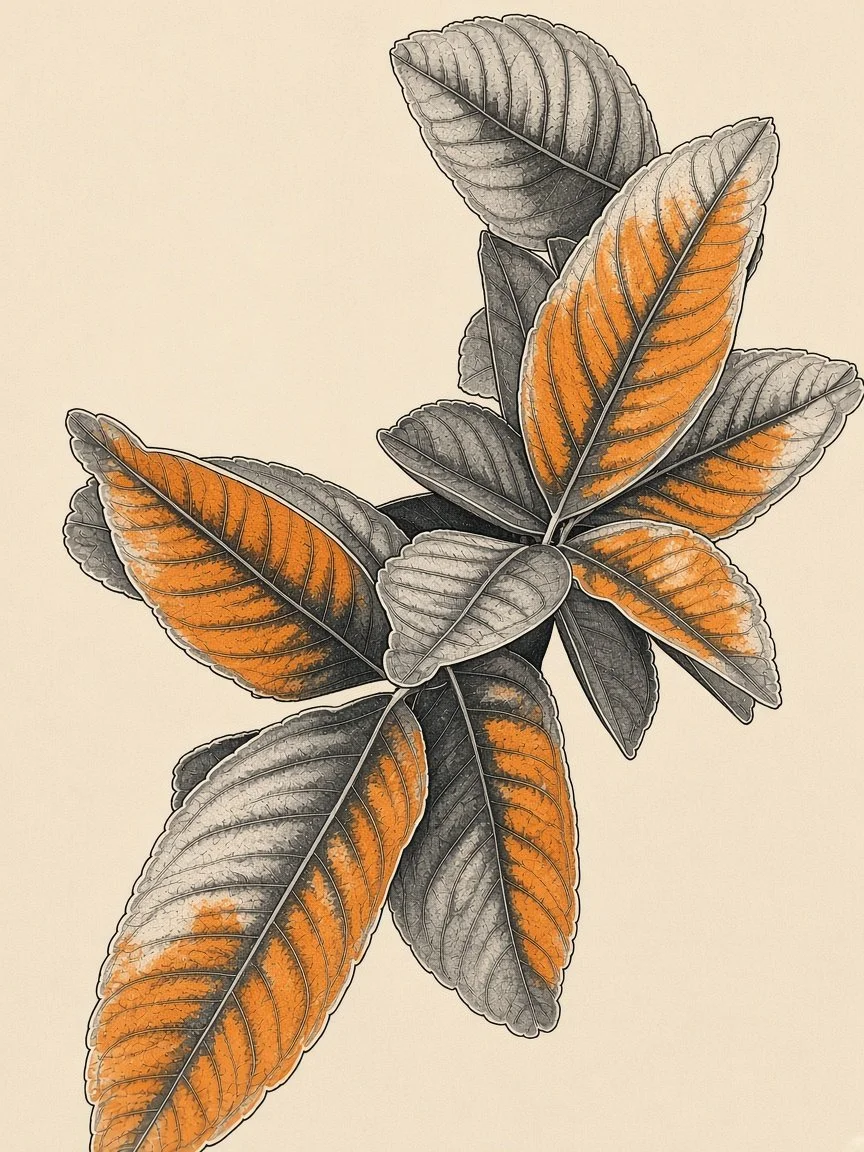
Citrus Chlorosis - Manganese & Zinc Deficiency
Yellow tissue between green veins on citrus leaves usually points to a micronutrient problem. Here is how to tell manganese and zinc deficiency apart and fix it.
Citrus Leaf Yellowing - Nitrogen Deficiency & Root Stress
When citrus leaves turn evenly pale, the cause is often nitrogen or roots, not disease. Learn how to check and correct it.
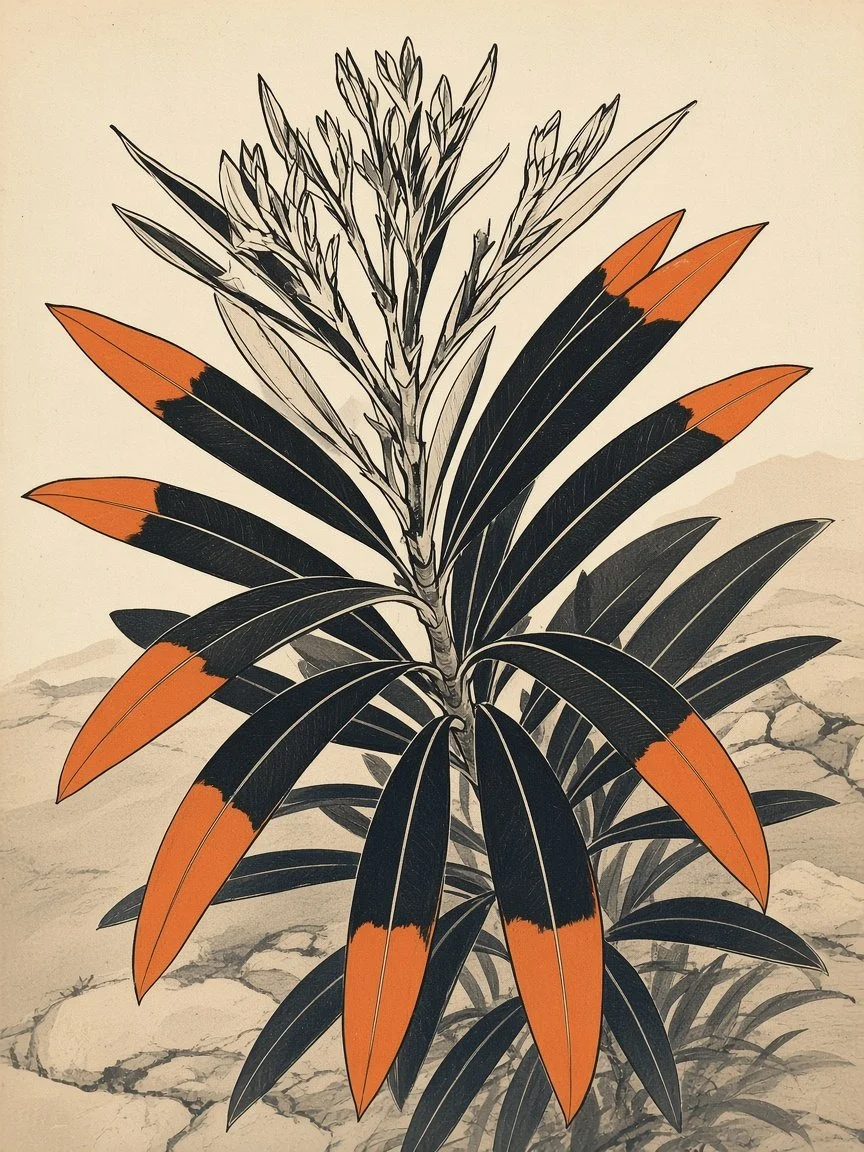
Leaf Tip Burn - Salt Buildup & Drip Water Stress
Brown, crispy leaf tips are one of the most common desert landscape problems. Most cases come down to salt and how the drip system waters.
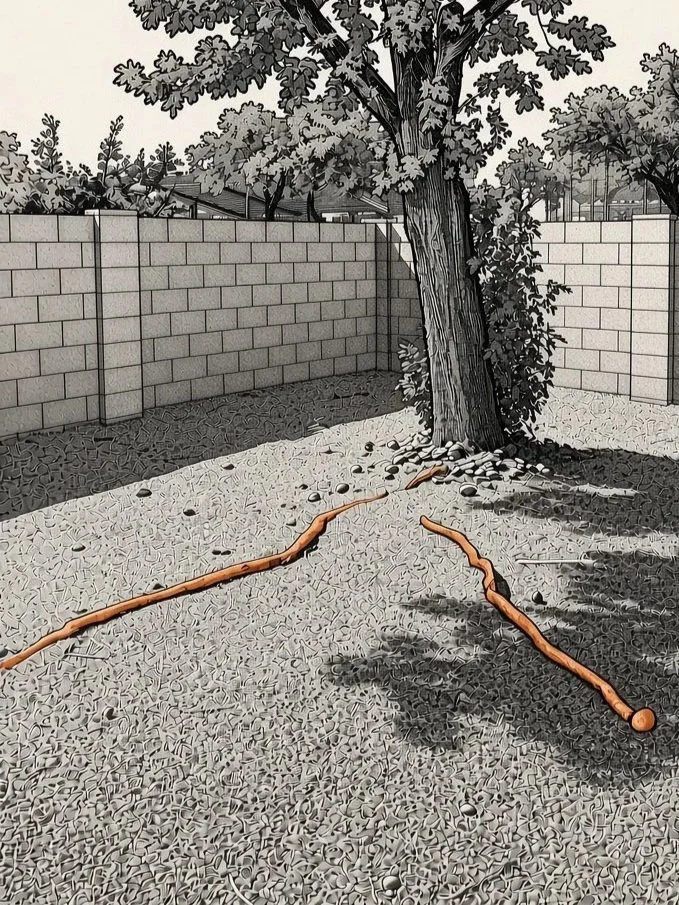
Exposed Surface Roots - Shallow Watering
Big roots across the yard surface are usually a watering pattern problem, not a bad tree. Here is how deep watering helps.
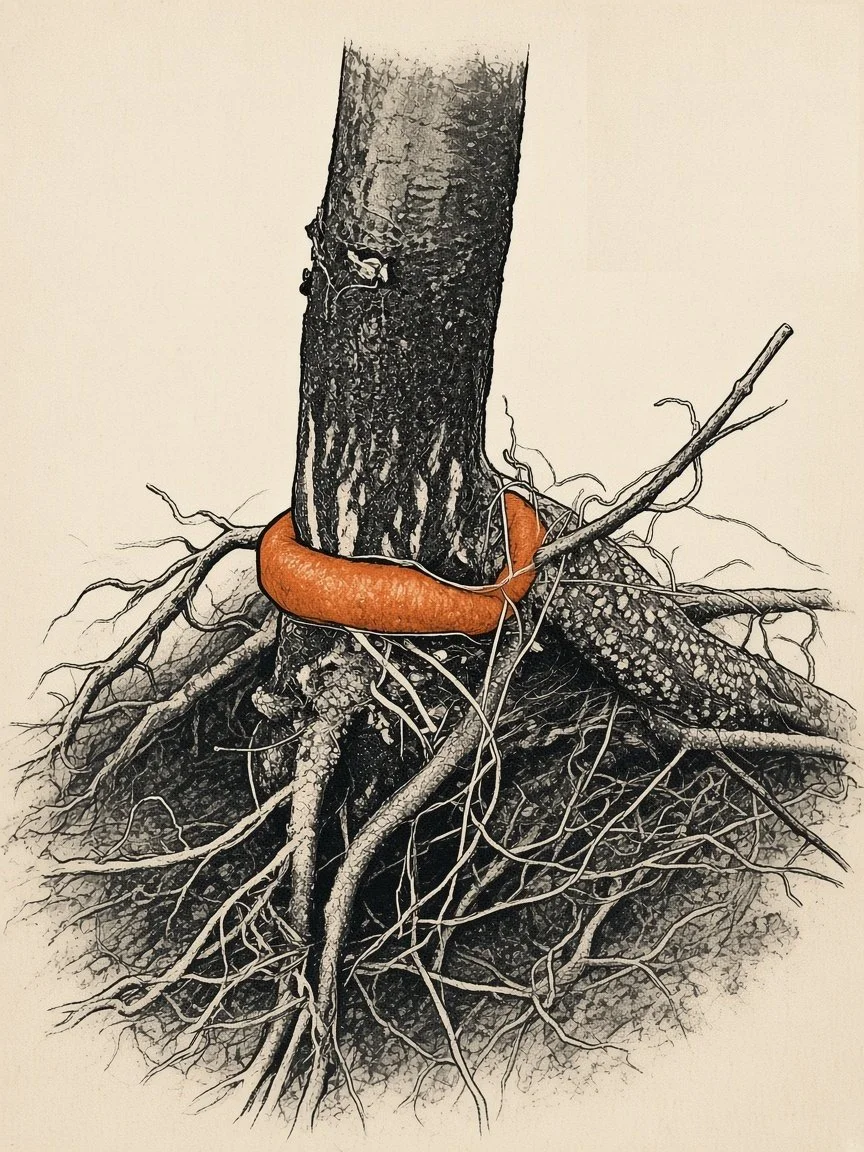
Girdling & Circling Roots
Circling roots from the nursery pot can choke a tree years after planting. Here is what to look for at the base of the trunk.
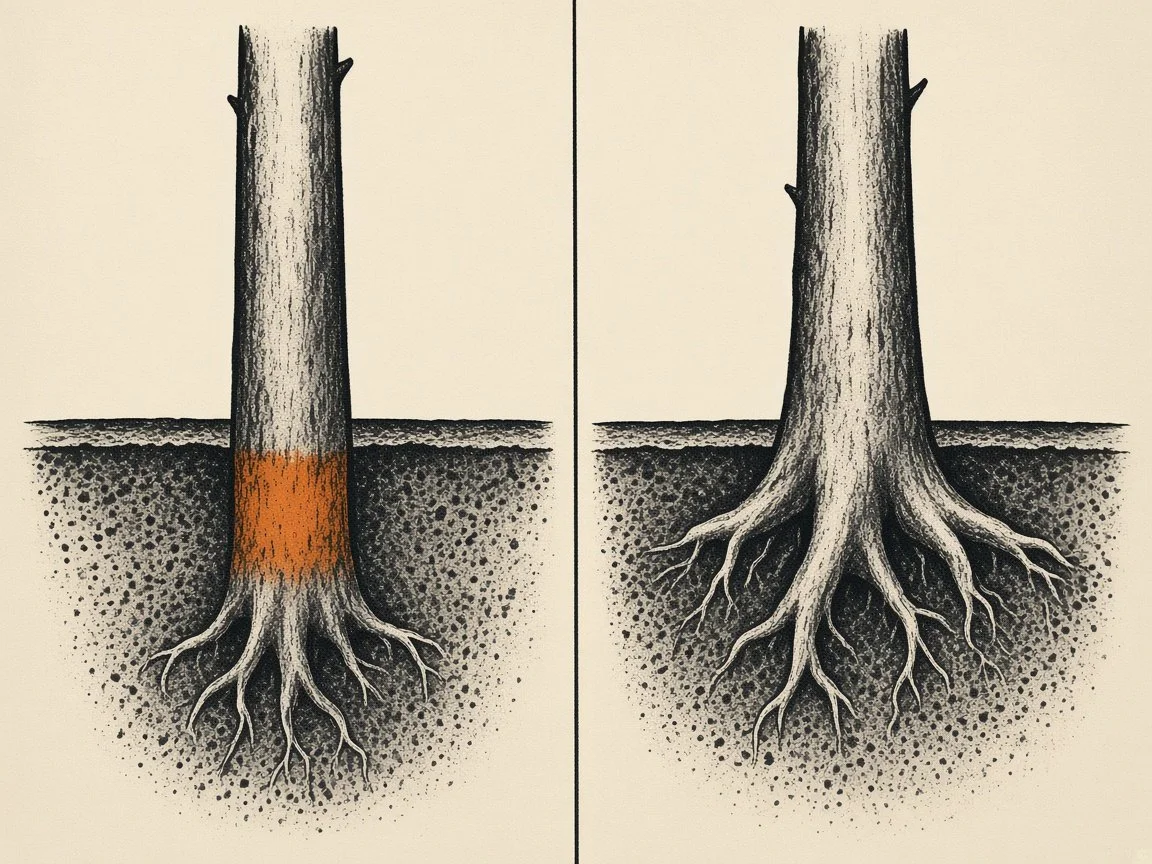
Buried Root Flare - Planted Too Deep
A healthy tree widens at the base where roots begin. If yours goes straight into the soil, the root flare may be buried.
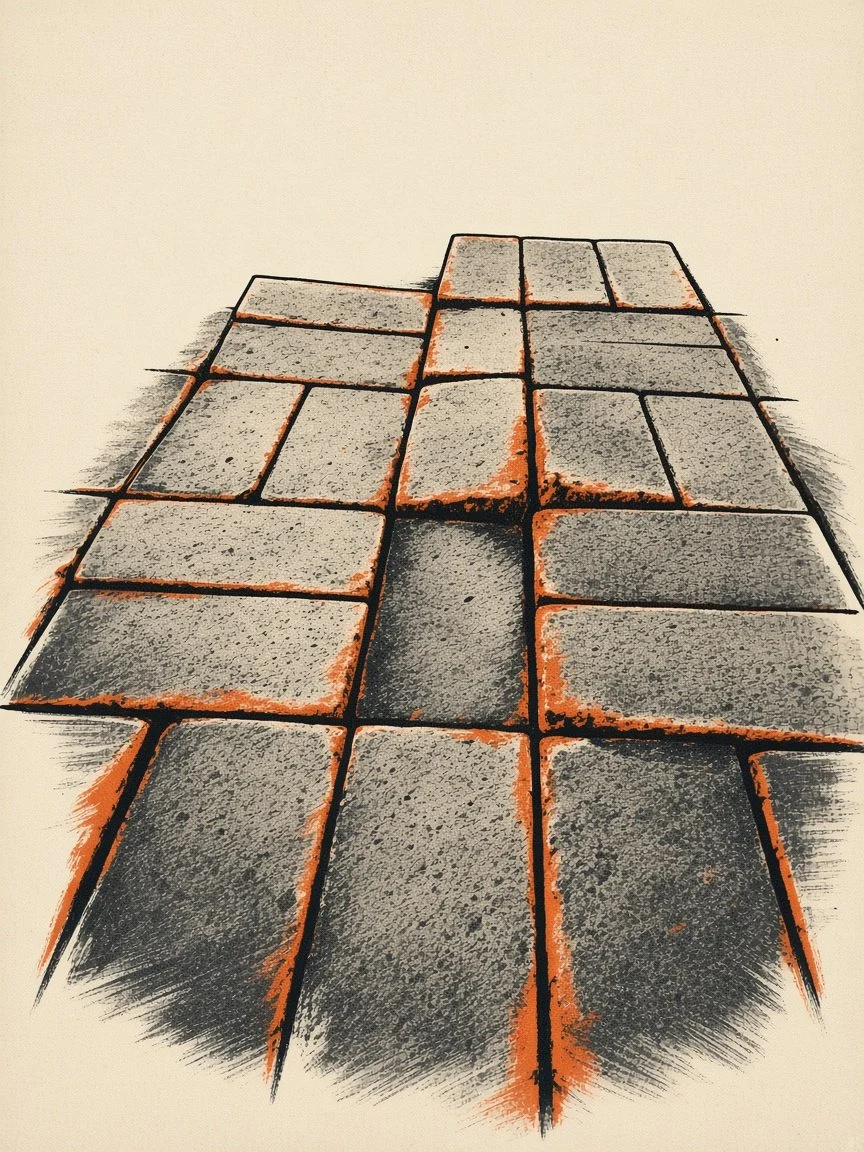
Tree Roots Lifting Pavers & Hardscape
Lifted pavers and cracked walkways near trees are common. Learn safe options that protect both the hardscape and the tree.
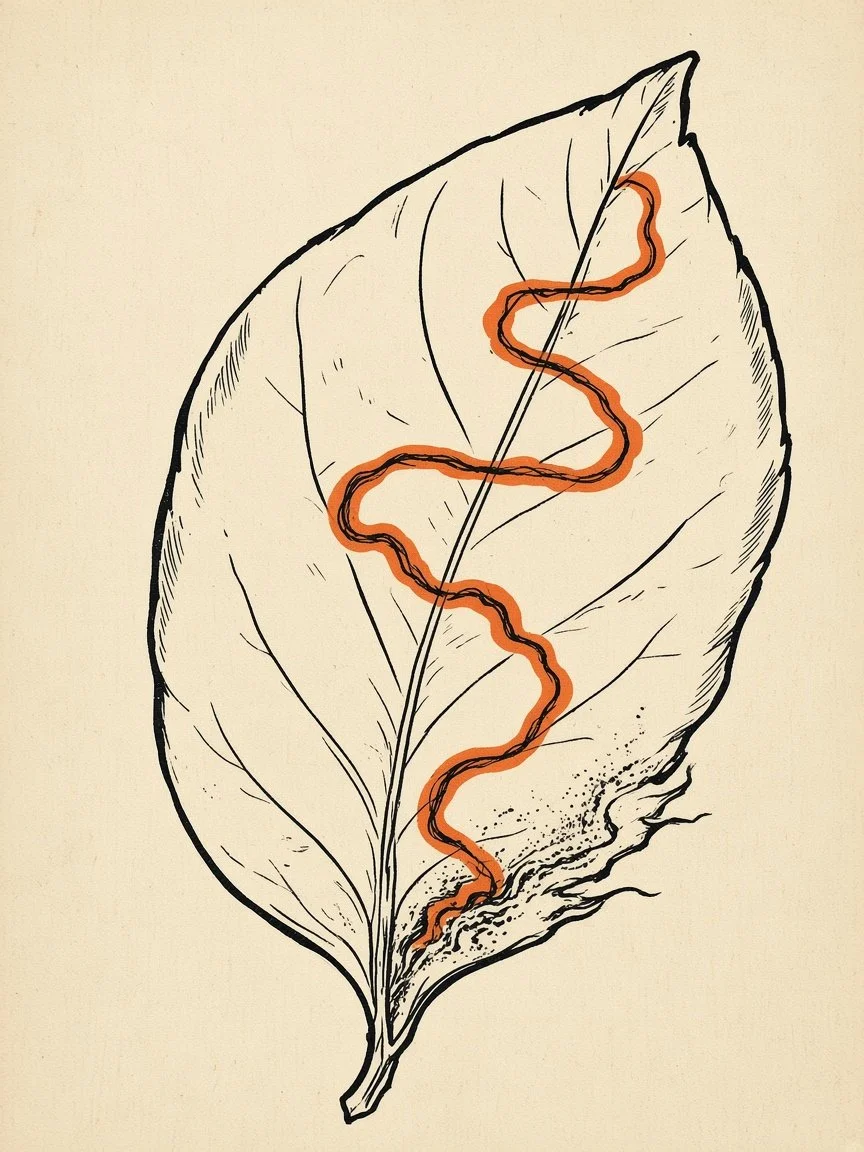
Citrus Thrips & Leafminer Damage
Thrips and leafminer are two of the most common pests on Tucson citrus. On mature trees the damage is mostly cosmetic.
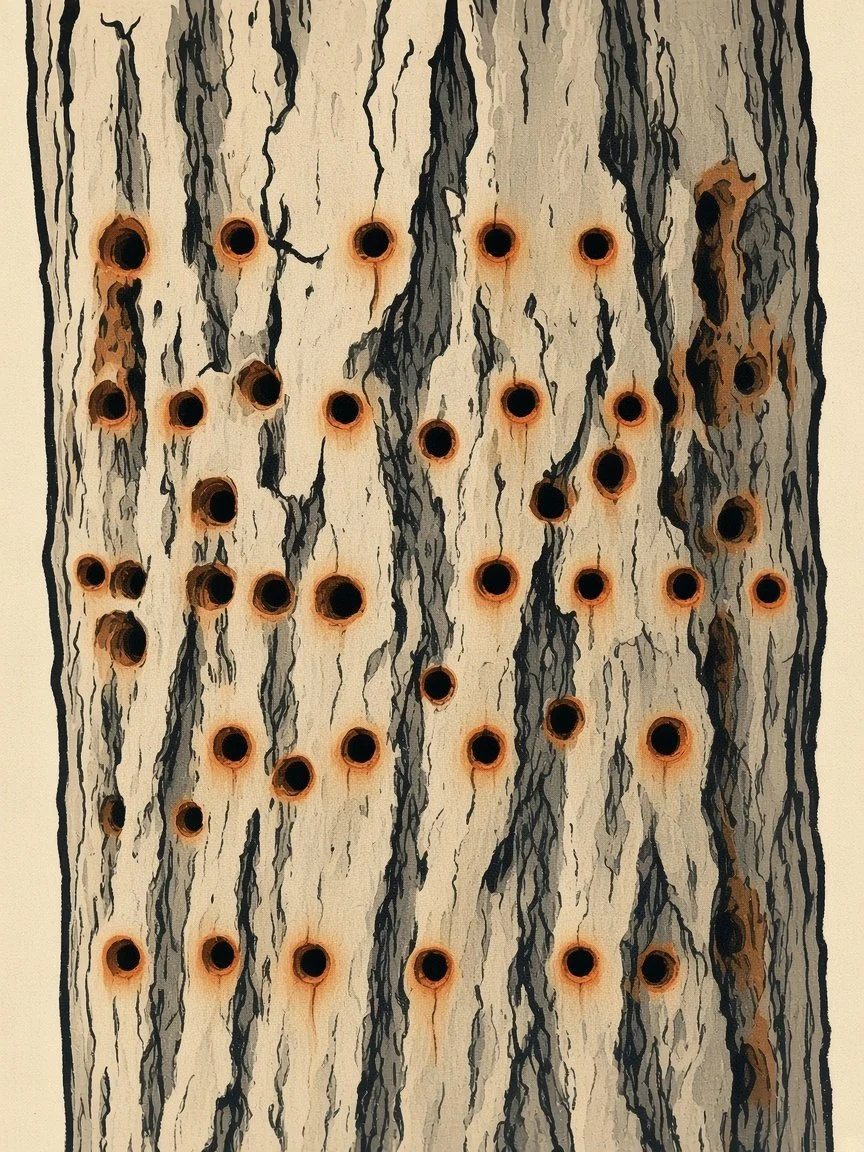
Sapsucker Damage - Rows of Drilled Holes
Tidy rows of small holes in a trunk are made by sapsucker woodpeckers, not insects. Here is what that means for the tree.
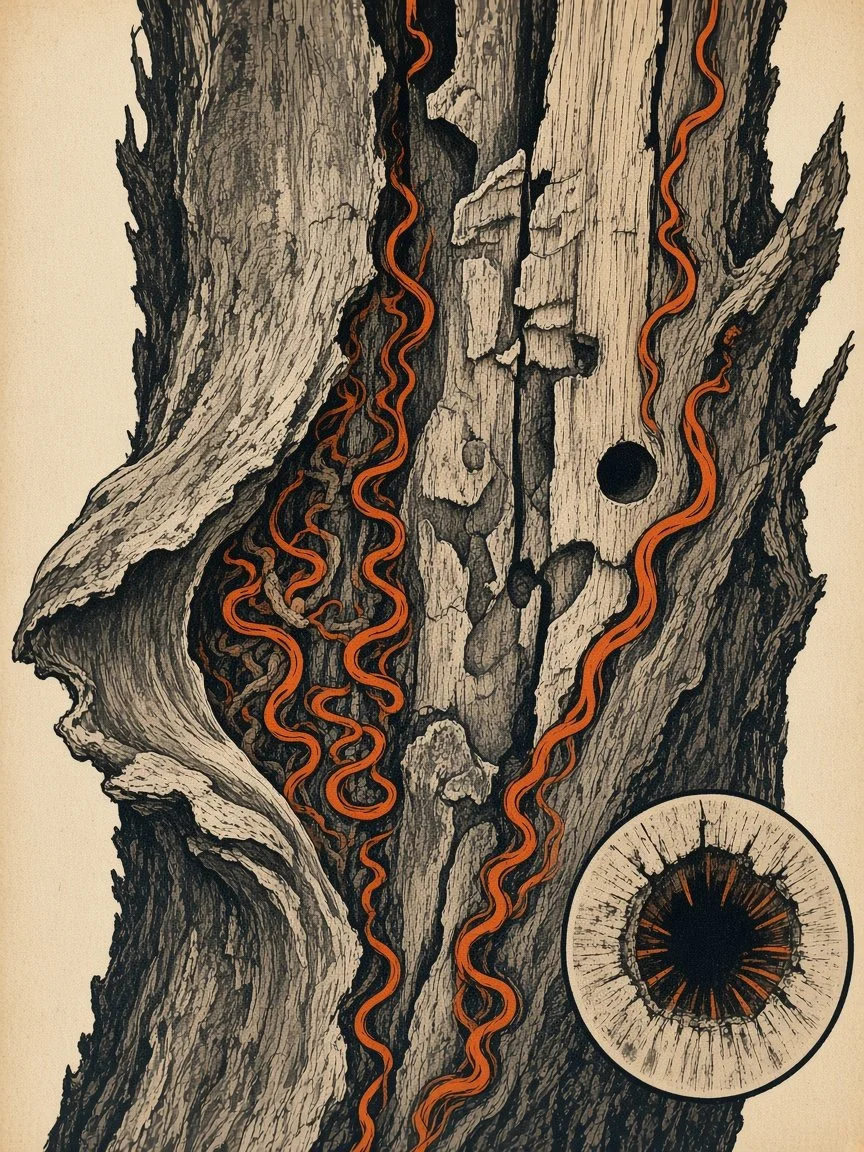
Wood-Boring Beetle Galleries & Exit Holes
Borer holes and tunnels under the bark usually show up on trees that are already stressed. Learn what to look for and what to do.
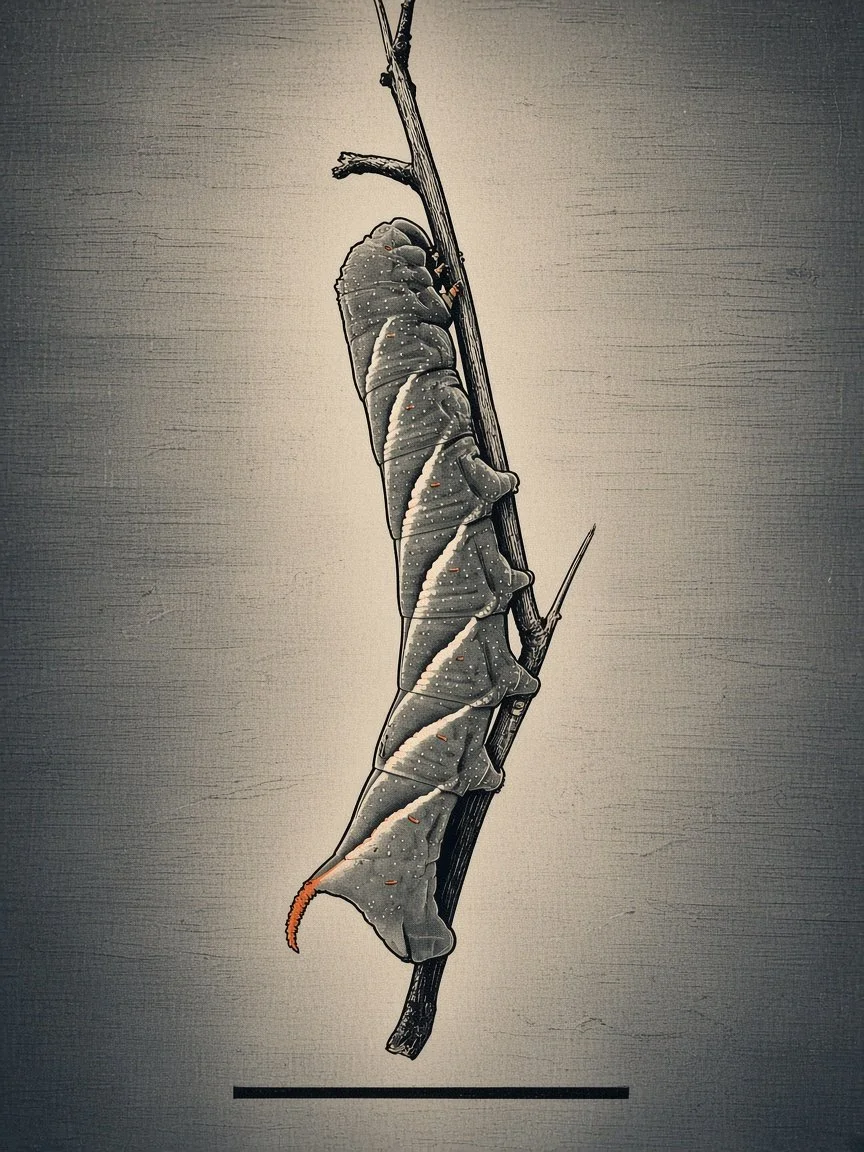
Sphinx Moth Caterpillars - Hornworms on Trees & Shrubs
Hornworms look alarming but are usually a short-lived visitor. Here is how to identify them and when control makes sense.
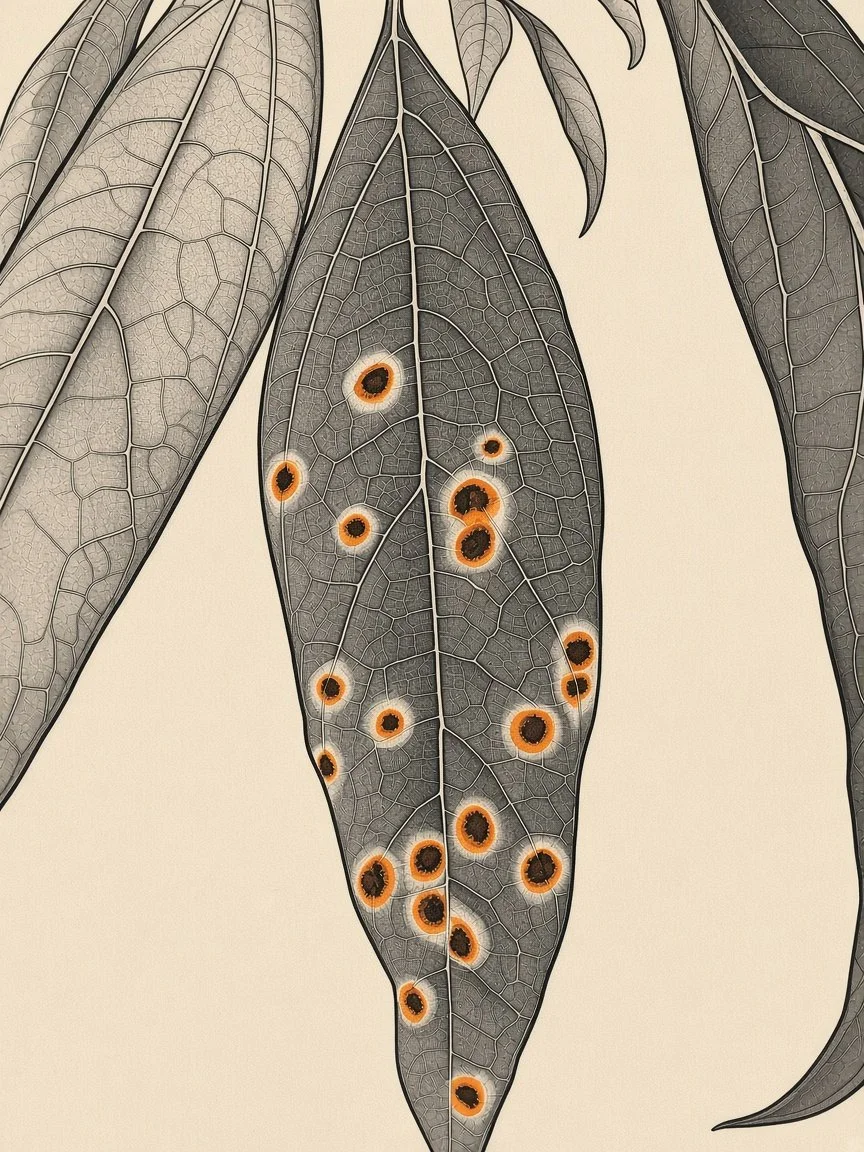
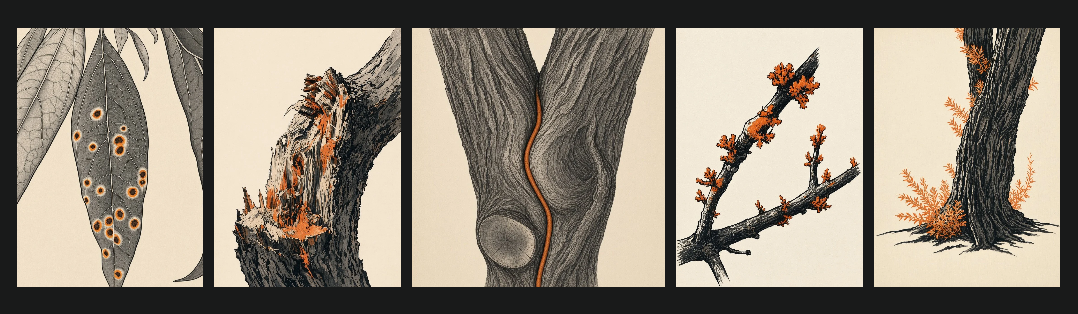
Leaf Spot Disease - Brown Spots with Yellow Halos
Leaf spots with yellow halos usually come from fungi or bacteria favored by wet leaves. Most cases are minor and manageable.
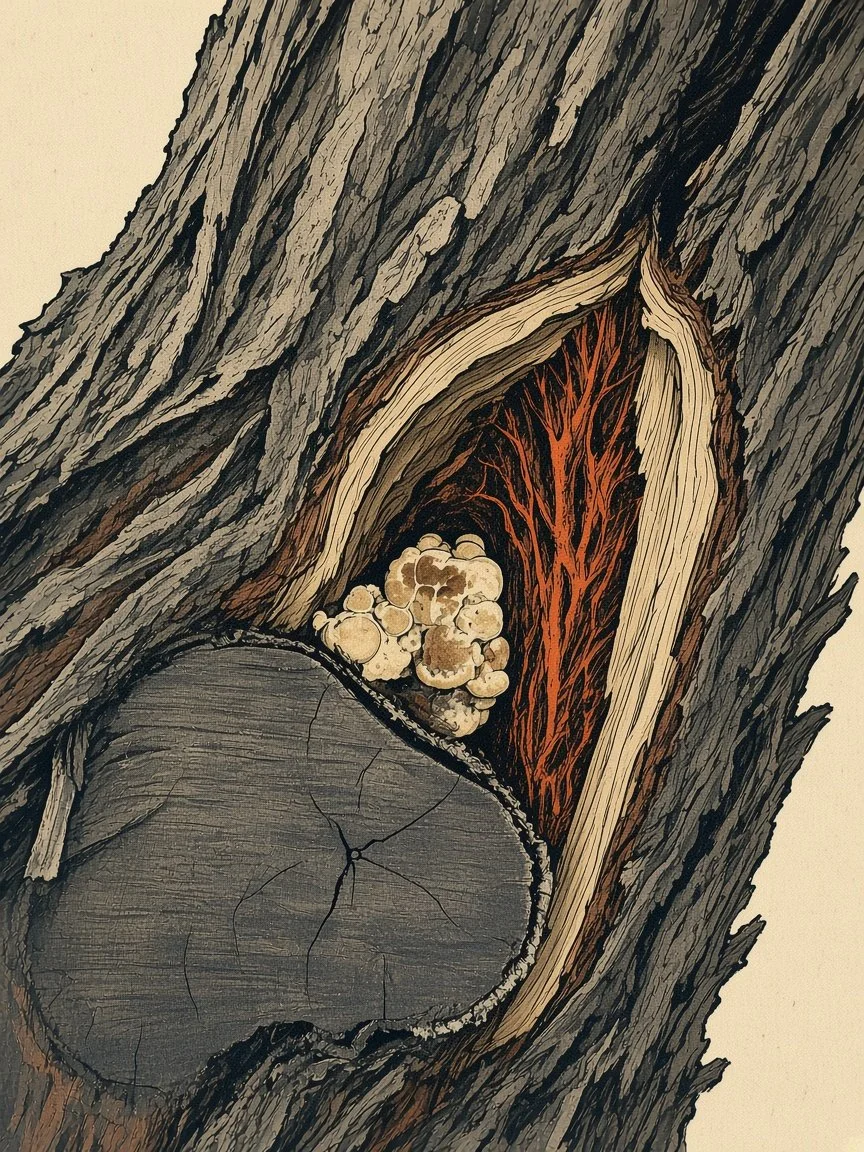
Wood Decay Fungi at Old Wounds
Conks and mushrooms on a trunk are the visible part of decay inside the tree. Here is how serious it is and what to check.
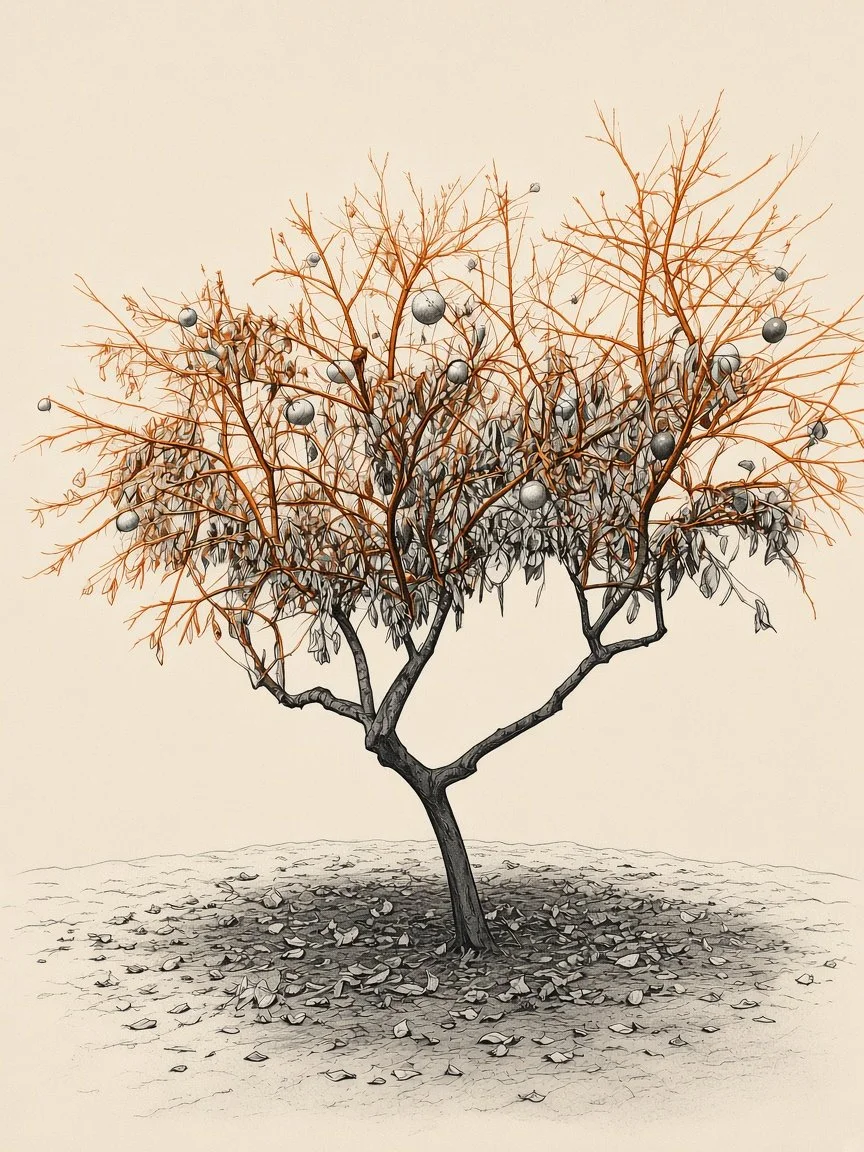
Citrus Canopy Collapse - Sudden Leaf Drop & Dieback
Sudden leaf drop and dieback on citrus is usually a root, water or trunk problem. Learn what to check first.
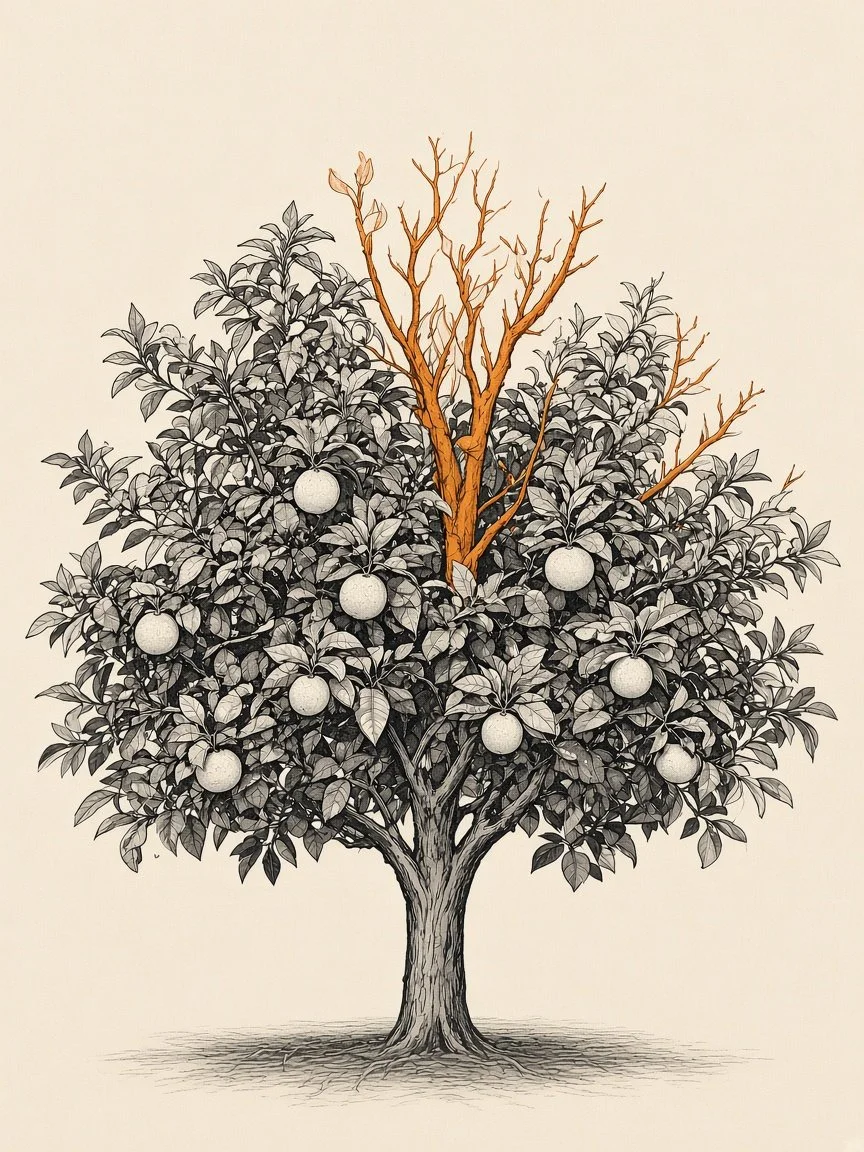
Branch Dieback in the Upper Canopy
Dieback at the top of the canopy usually points to stress in the roots or water supply. Here is how an arborist sorts out the cause.
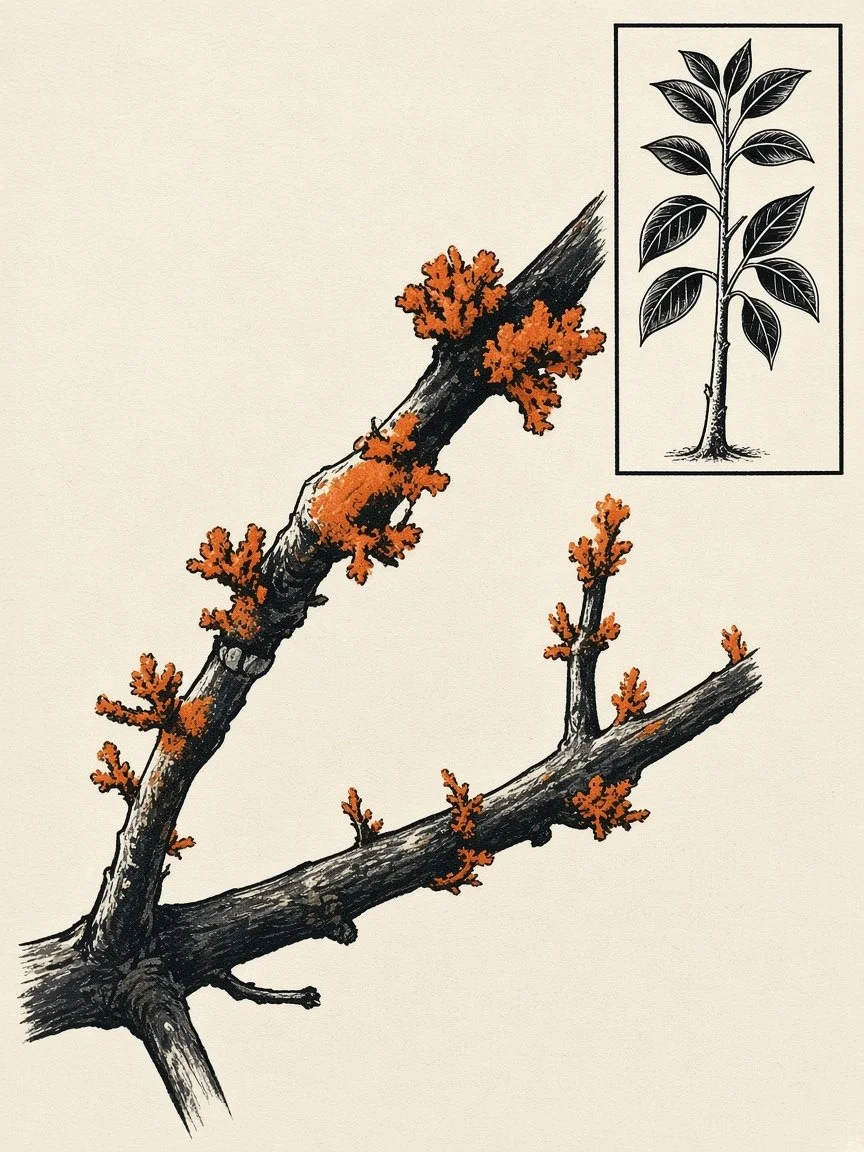
Herbicide Damage - Witches' Broom Growth
Weed killer used nearby can travel to trees through drift or the soil, causing distorted witches' broom growth.
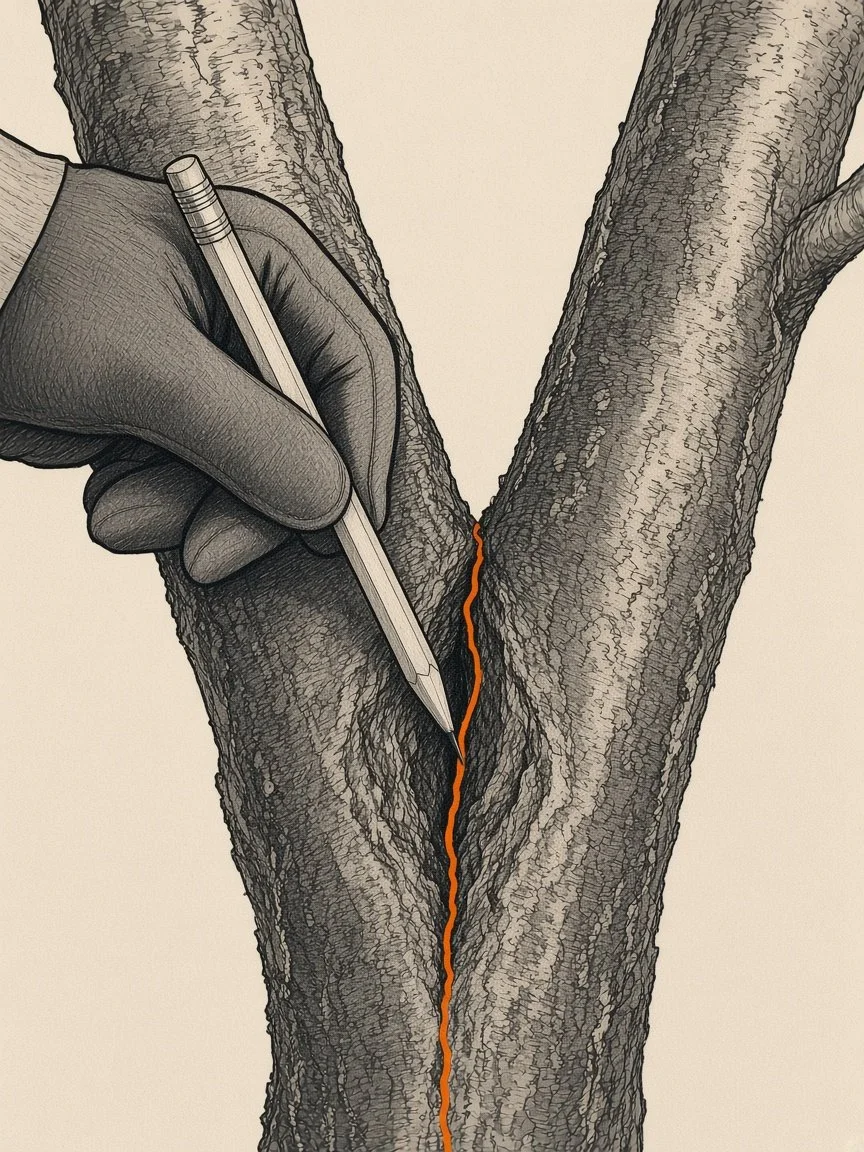
Codominant Stems & Included Bark
A tight V between two equal stems is one of the most common structural weak points in desert trees like mesquite.
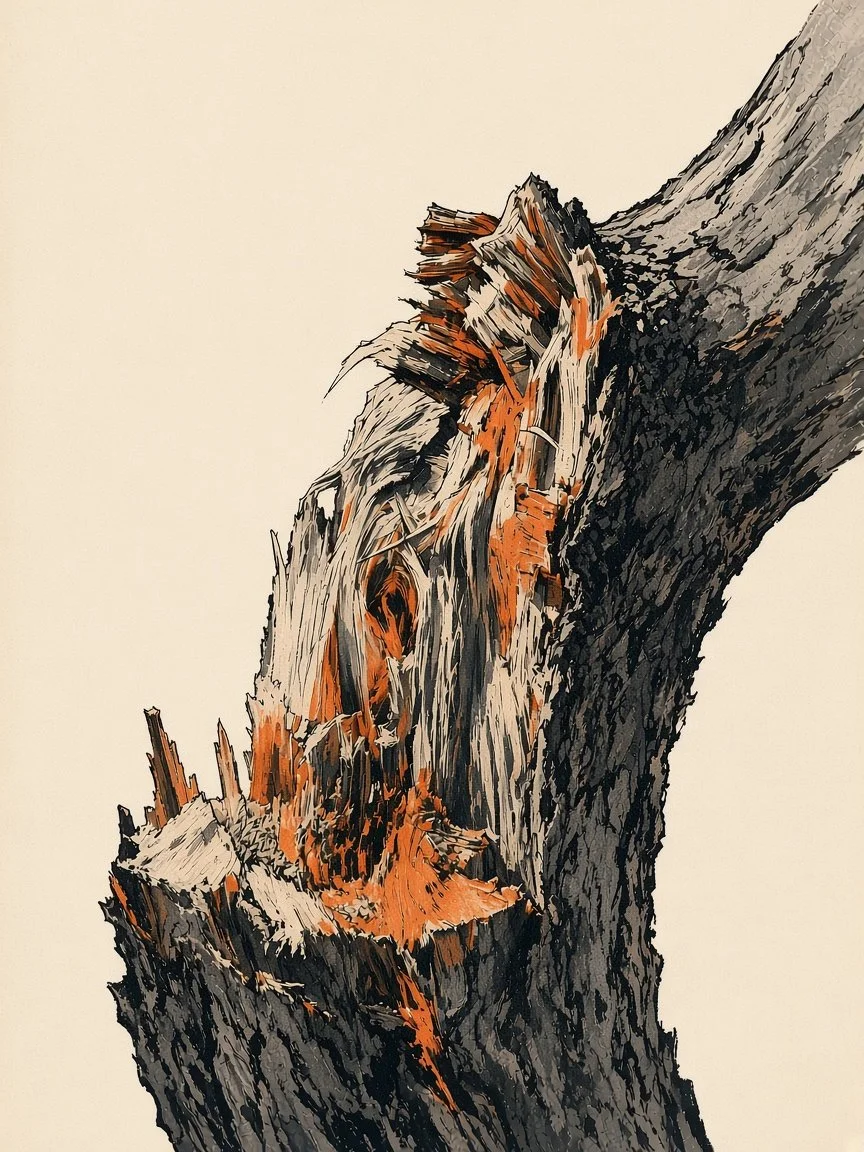
Branch Failure & Torn Limbs
Broken limbs leave jagged wounds and often reveal a weak spot. Here is how to clean up and prevent the next failure.
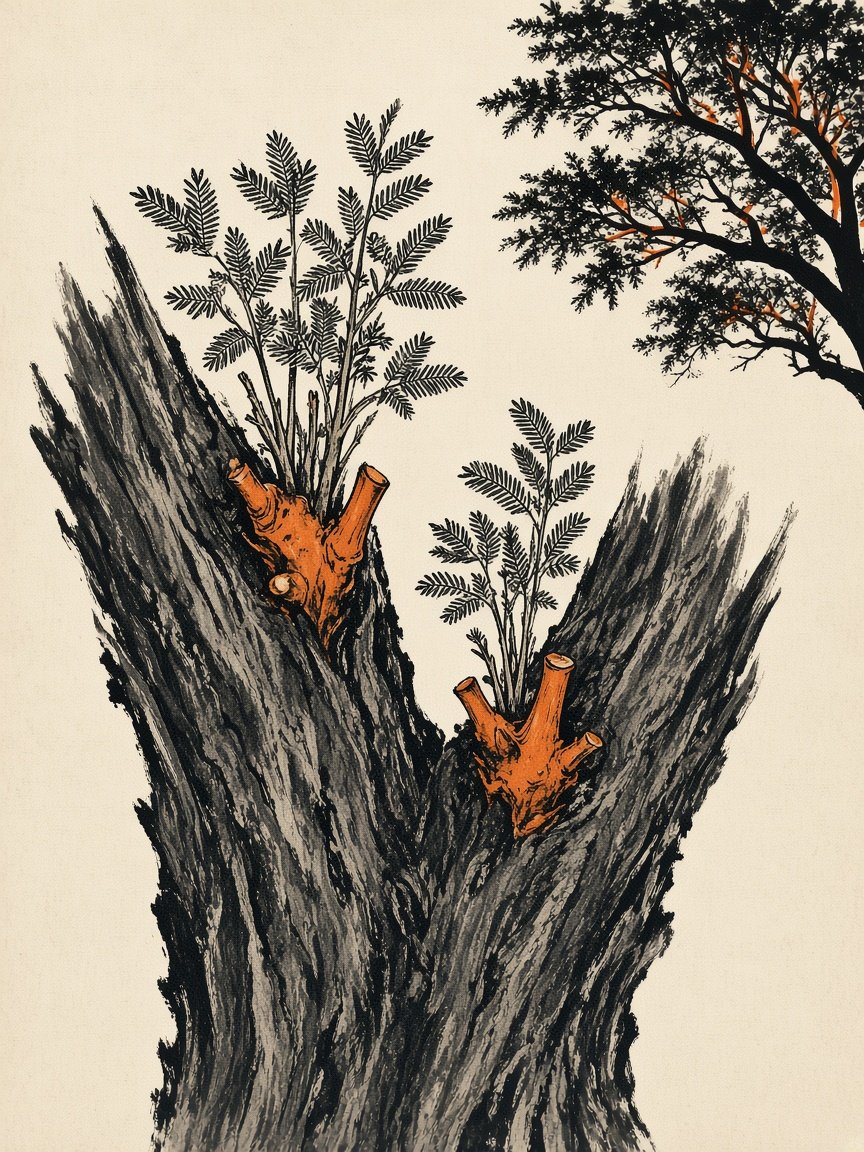
Improper Pruning Cuts - Stubs, Flush Cuts & Heading Cuts
Where a branch is cut matters as much as which branch is cut. Learn to recognize cuts that cause long-term problems.
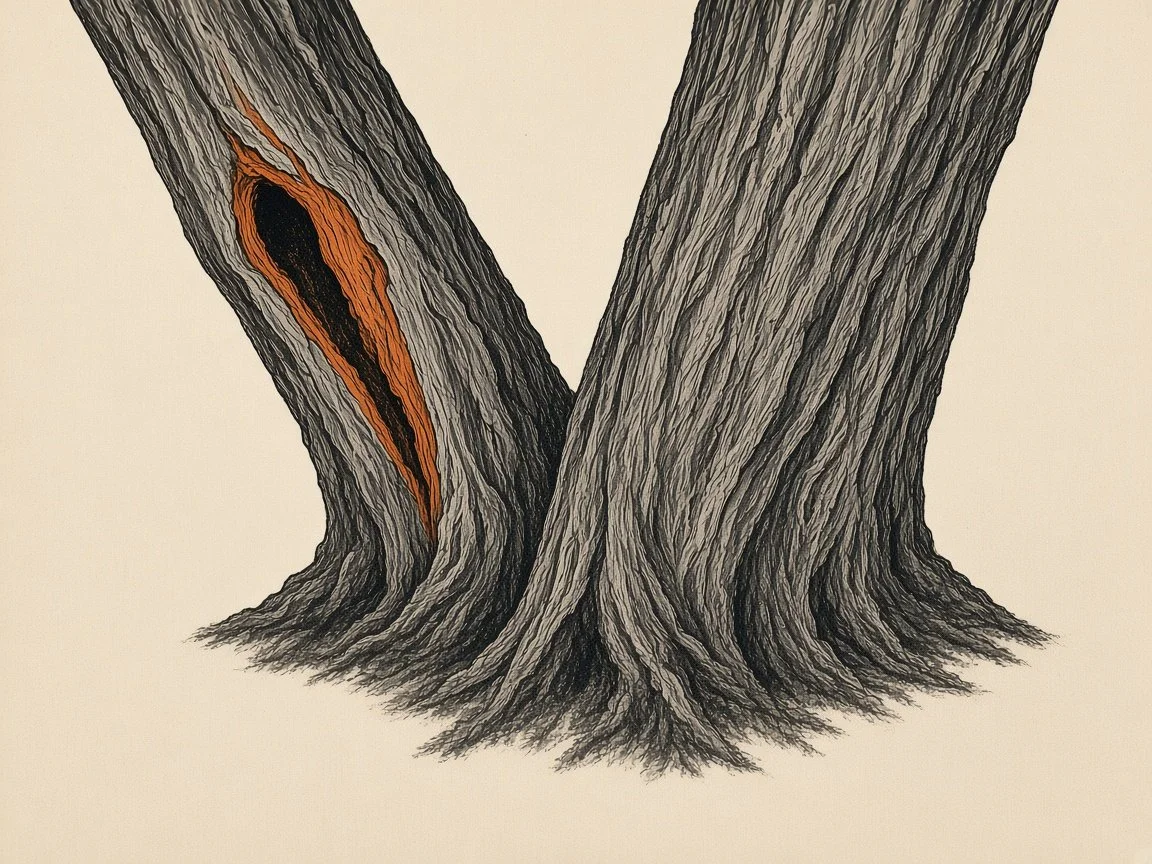
Trunk Wound & Open Cavity
Open trunk wounds and cavities are common in older desert trees. Most can be managed, but some need a closer look.